

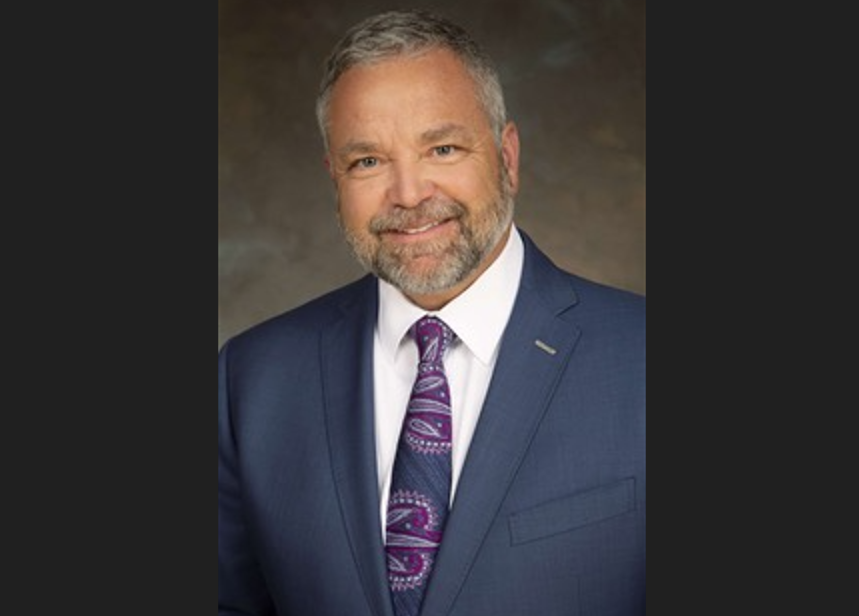
Dr. Kade Huntsman is a highly respected spine surgeon specialising in complex and minimally invasive procedures of the neck and back, including the treatment of athletic spinal injuries. He has served as Chief of Surgery at St. Mark’s Hospital in Salt Lake City, where he led a nationally recognised spine program consistently ranked for excellence. A past President of the Utah State Orthopedic Society, Dr. Huntsman remains actively engaged in both national and international spine communities, as well as in service to his local community. Currently directing the complex spine program for mountainstar and HCA.
SSN: What drove you to choose surgery as a career – and spine surgery in particular?
KH: I knew early on I wanted to go into orthopaedic surgery after a brief stint selling total joint in Colorado. During medical school training I had a spine surgeon mentor who was very influential in my decision, so I attended Case Western and trained under Henry Bohlman. I felt at the time spine surgery was very barbaric and was excited to see the specialty advancement and be a small part of that advancement.
SSN: You have recently become involved in a new lumbar spine clinical trial. Could you tell us more about your research, the trial and the expected/ potential results?
KH: The trial is looking at lumbar facet fusions using navigation and the Providence Medical technology to provide a less invasive way to supplement lumbar spinal interbody fusions. We have had great success in the cervical spine and anticipate similar results in the lumbar spine.
SSN: How could the trial findings help treat degenerative conditions in the lumbar spine and what will be the effect on patient experience and their recovery post-surgery?
KH: One of the difficulties with lumbar spine posterior fusions is the amount of muscle damage caused by the procedure itself. I am constantly looking to improve the outcomes of patients, and less invasive techniques are one of the methods. Combined with navigation and robotics, we are able to do achieve the same results with less soft tissue and muscle damage. This technique is an excellent method to achieve great stability and more rapid and fusion with less damage.
SSN: Could the findings help with fusion on the index surgery and lessen the possibility of pseudoarthrosis and a second surgery?
KH: I think this technique will make it possible for us to protect the adjacent level and adjacent level facets, which may see stress from muscle injury from pedicle screw placement and pedicle screw/rod constructs that could impinge on the adjacent facets.
SSN: Do you have any more research in the pipeline?
KH: We are tracking our own cervical fusion patients with the Corus implants supplementing ACDF procedures and seeing rapid fusions. Cervical posterior fusions were very difficult cases for patients to recover from, particularly from pain and wound breakdowns, and we do not see those problems with this technology.
SSN: What are your thoughts on the advancing involvement of AI and 3D technology in surgery and patient care?
KH: I use AI for spinal imaging, which allows us to plan great surgeries and carry them out in a more exacting way. We use advanced imaging, navigation, and robotics to assist us, and it has and will continue to improve outcomes for patients.
SSN: What’s the best part of your job?
KH: I love the OR, but the best part of the job is developing relationships with patients and seeing them postoperatively with less pain and greatly improved function. Their lives are dramatically improved, and they can get back to the activities they love.
SSN: … and the worst?
KH: Patient failures. It keeps me up at night. Fortunately, they are fewer and less severe due to the great advances in technology that allow us to perform surgery less invasively and more safely.
SSN: What has been the highlight of your career so far?
KH: Being a small part of many great advances in spine surgery that benefits patients. We must always remember the work only has one purpose, better outcomes for patients.
SSN: Are you planning to attend or speak at any medical conferences or events in 2026?
KH: I have several on the schedule and love sharing ideas and learning from other surgeons at our meetings.
Image supplied by author.
