

Spinal Research and the Christopher & Dana Reeve Foundation have announced $1.5 million in grants to support four research projects targeting the development of new treatments for traumatic spinal cord injury.
The pre-clinical studies were chosen after a joint international research call encouraging researchers and industry partners to collaborate in testing the potential of new drugs, biologics, devices and gene therapy approaches.
The four projects announced today include a new biologic to restore bladder control and gene and stem cell therapies to protect and repair the spinal cord after injury, promoting regeneration and improving recovery.
Spinal Research is the UK’s leading charity funding and supporting the best research around the world into spinal cord injury repair. Chief Executive Louisa McGinn said: “For the first time ever, function-restoring treatments are becoming available to people living with a spinal cord injury, disproving the long-held belief that paralysis is incurable.
“But, there is a gap in funding, meaning that potential therapeutics don’t make it from the lab to human trial. These joint awards aim to help bridge that gap.
“There is much more to be done, but it’s a privilege to work alongside the Reeve Foundation to ensure the money we invest is optimised for maximum benefit.”
Spinal Research contributed $500,000 towards the total fund of $1.5M with successful projects awarded grants of $250,000 over two years. Further awards will be announced in the coming weeks as agreements are completed.
The charity’s close strategic partnership with the US-based Reeve Foundation is focused on tackling the lack of investment in the crucial research stage between early scientific discoveries and the more advanced studies needed before human clinical trials can take place.
These awards are the first to be selected through an open call by the Reeve Foundation in several years, representing a significant shift in the Foundation’s research portfolio. They reflect a scientific field that has advanced rapidly in recent years, as basic research and new technologies have converged.
“Once considered the ‘graveyard of neurobiology,’ the spinal cord is now recognized as capable of repair. What was long seen as impossible is increasingly seen as achievable,” says Marco Baptista, Chief Scientific Officer of the Reeve Foundation.
“The biggest challenge isn’t the science itself, but securing the support needed to advance promising therapies with the early-stage research that maximizes success. These awards help fill that critical gap, allowing us to accelerate potential cures more efficiently.”
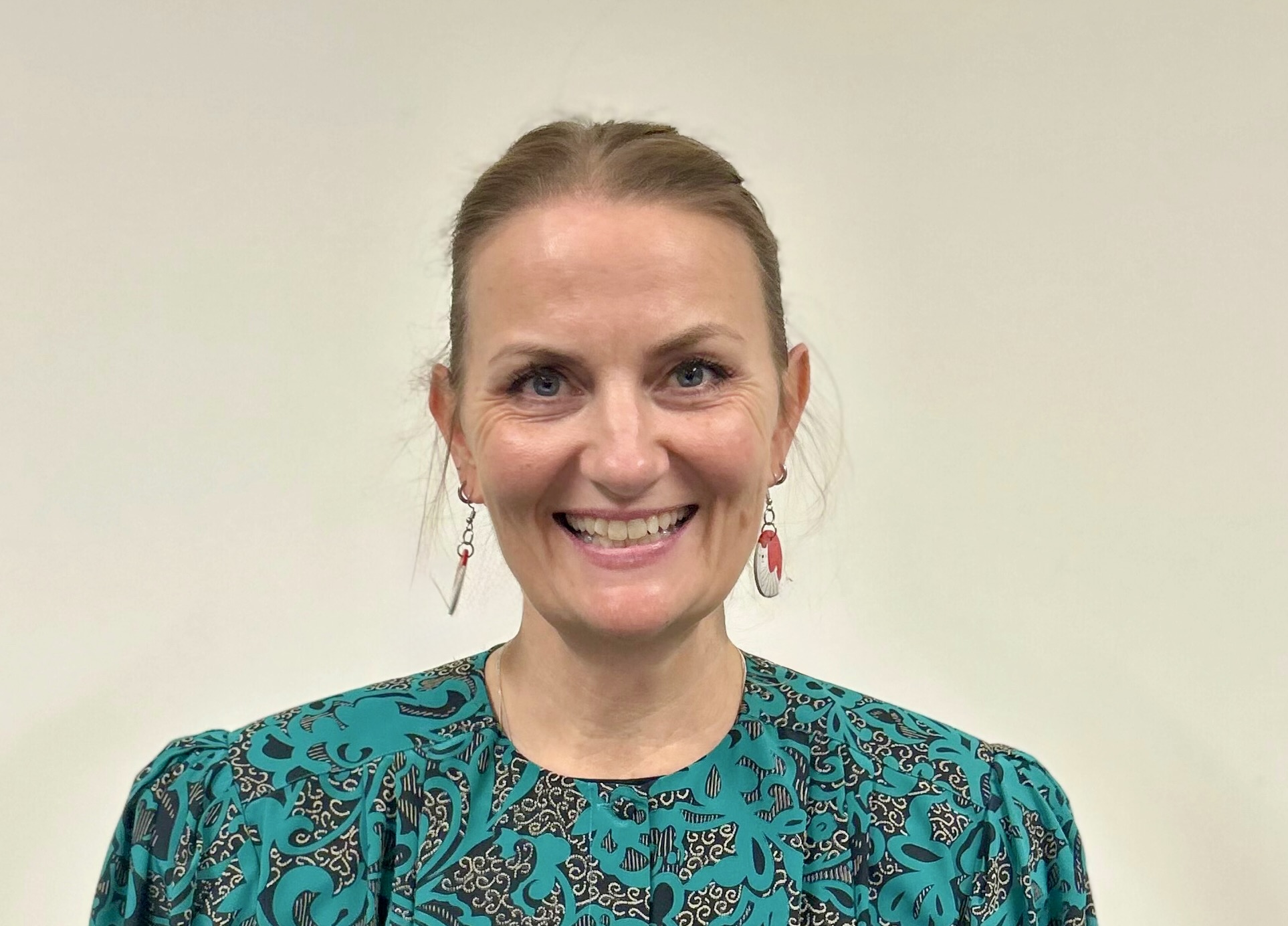
Photo: Louisa McGinn, Spinal Research Chief Executive
Source: Spinal Research
