

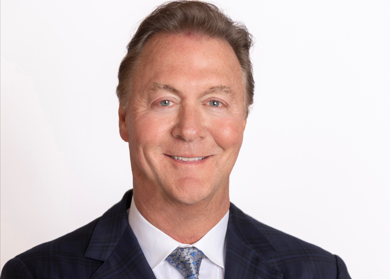
Dr. Todd H. Lanman is a board-certified spinal neurosurgeon and pioneer in artificial disc replacement, motion preservation, and the advancement of spine surgery. For more than 35 years, he has specialized in developing surgical approaches that preserve spinal motion and restore natural biomechanics, helping shape the evolution of modern cervical and lumbar disc replacement.
A Diplomate of the American Board of Neurological Surgery, Fellow of the American College of Surgeons, and Fellow of the American Association of Neurological Surgeons, Dr. Lanman earned his medical degree with honours from Northwestern University Feinberg School of Medicine before completing his neurosurgical residency at UCLA. He is an Associate Clinical Professor of Neurosurgery at UCLA and maintains a private practice in Beverly Hills, with affiliations including Cedars-Sinai Medical Center, and UCLA Health.
Dr. Lanman is also the founder of the ADR Top Doctors network, a national physician network dedicated to connecting patients with experienced artificial disc replacement surgeons and advancing education around motion-preserving spine care. His clinical philosophy, known as 4D Health™, emphasizes treating the whole patient by considering biomechanics, lifestyle, longevity, nutrition, and overall health to optimize long-term outcomes.
Dr. Lanman cares for patients from across the United States and around the world seeking expertise in complex spine surgery, revision procedures, and motion-preserving technologies. His work continues to influence the future of spine care through clinical innovation, research, education, and the advancement of evidence-based surgical techniques.
SSN: What drove you to choose surgery as a career – and spine surgery in particular?
TL: I was five or six years old when President John F. Kennedy was assassinated. I remember playing in the driveway when my mother and a neighbour came outside, speaking urgently about what had happened. One of them mentioned that a neurosurgeon was treating the president. I asked what a neurosurgeon did, and when they explained that it was a surgeon who operated on the brain, I thought,
“That’s extraordinary. I want to do that.”
As my career evolved, I was drawn to spine surgery because it brings together technical precision, complex problem-solving, and the opportunity to make an immediate, meaningful difference. Few things are more gratifying than helping patients overcome pain, restore function, and reclaim their quality of life.
SSN: You recently participated in the clinical trial and performed the first US commercial spinal implantation using the Synergy Disc. Could you tell us more about the procedure and the results?
TL: I have served as a principal investigator in numerous FDA clinical trials evaluating artificial disc replacement. What interested me about the Synergy Disc was its potential to do more than preserve motion—it also offered a way to improve alignment of the cervical spine.
During the trial, I began to notice how well these patients were doing. Many returned reporting little to no pain and significant improvement, while their X-rays showed that they were maintaining a more natural curvature of the neck.
Dr. Joel Beckett and I subsequently performed the first commercial implantation of the Synergy Disc in the United States. The procedure allowed us to restore alignment, preserve motion, and relieve the patient’s symptoms. He achieved an excellent outcome and continues to do very well.
SSN: What could early adoption signal about the future of cervical spine surgery and what will be the effect on patient experience and their recovery post surgery?
TL: Early adoption signals that cervical spine surgery is continuing to move away from fusion and toward motion preservation—a shift I predicted many years ago. As the technology advances, the question may become less, “Why would you use an artificial disc?” and more, “Why does this patient need a fusion?”
In fact, with technologies such as the Synergy Disc, we are seeing implant design evolve beyond simply preserving motion to also address spinal alignment. By incorporating alignment into the design, we can restore a more natural cervical curve while maintaining movement. For patients, that may mean a more
biomechanically sound reconstruction, a more natural-feeling neck, and a smoother return to normal activity. After many years in this field, it is gratifying to see cervical spine surgery continue to evolve in ways that can meaningfully improve patient care.
SSN: What is the importance of this innovation and what does the future look like for cervical spine surgery?
TL: This innovation expands what we may be able to achieve with cervical disc replacement. Traditionally, artificial discs were viewed primarily as a way to preserve motion, while patients with spinal deformity or poor alignment were often considered better candidates for fusion. Technologies that address both motion and alignment are beginning to challenge that paradigm.
The future of cervical spine surgery will be increasingly personalized. Implant selection and surgical planning will be tailored more precisely to each patient’s anatomy, alignment, and functional needs. As these technologies continue to advance, we may be able to preserve motion, restore more natural biomechanics, and reduce the number of cases in which fusion is considered the only option.
SSN: What are your thoughts on the advancing involvement of AI and 3D technology in
surgery and patient care?
TL: 3D technology is already becoming a valuable tool for surgical planning and more precise implant placement. It can help us better understand each patient’s anatomy, identify the midline, and determine the optimal position of an artificial disc to support alignment and function. It may also help reduce the amount of intraoperative X-ray imaging required.
Artificial intelligence is still evolving, but its potential is significant. As these models are trained on larger and more sophisticated datasets, they may help surgeons make increasingly individualized decisions about implant size, depth, position, and centre of rotation. Artificial disc replacement requires us to tailor each of these variables to the patient’s unique anatomy. AI will not replace surgical expertise, but it may allow us to apply that expertise with even greater precision.
SSN: What’s the best part of your job?
TL: The best part is when a patient returns and says, “I’m no longer in pain. You changed my life. I wish I had done this sooner.” That is why I have spent decades developing new techniques, studying emerging technologies, and working to move the field forward. Ultimately, it all comes down to one thing: helping someone get their life back.
SSN: … and the worst?
TL: The most difficult part is navigating insurance barriers that can delay or prevent patients from receiving care I believe is medically appropriate. My staff may spend hours pursuing authorizations, and I may be asked to explain a complex case during a peer-to-peer review with someone who does not have the same specialized familiarity with the procedure or the patient’s full circumstances. The process takes valuable time away from patient care, and it is deeply frustrating when a necessary treatment is ultimately denied.
SSN: What has been the highlight of your career so far?
TL: One of the defining achievements of my career has been helping advance artificial disc replacement from an emerging alternative to an integral part of modern spine surgery. I underwent a three-level lumbar disc replacement myself in 2008, when the technology was still relatively new, because I believed then—as I do now—that preserving motion represents the future of spine surgery.
Since that time, I have led clinical trials, helped introduce new technologies into practice, and contributed to the evolution of how surgeons approach spinal reconstruction. I am proud to be recognized as a leading authority in artificial disc replacement, but the greatest reward is seeing these advances make a meaningful difference in patients’ lives every day.
SSN: Are you planning to attend or speak at any medical conferences or events in 2026/27?
TL: I plan to remain active at major spine surgery meetings throughout 2026 and 2027. I am currently scheduled to speak at the 2027 Spine Summit—the annual meeting of the AANS/CNS Section on Disorders of the Spine and Peripheral Nerves—taking place February 18–21 in Orlando. I also anticipate attending and speaking at the 2027 Annual Meeting of the International Society for the Advancement of Spine Surgery.
